

CLS graduate students receive research funding for their work in Latin American and the Caribbean
May 7, 2026 - Karessa Weir
The Center for Latin American and Caribbean Studies recently announced their 2026 awards and included two Chicano/Latino Studies students as recipients.
 Melanie N. Rodríguez Vázquez, PhD student in English and CLS Graduate Certificate Student has been named FLAS Fellow Spring 2026, Dissertation Writing. Rodriguez’s research includes Afro-Caribbean Literature, Woman of Color Feminism and Queer Studies. The Foreign Language and Area Studies Fellowships are granted through the U.S. Department of Education for students who study less commonly taught languages of Latin America and the Caribbean.
The U.S. Department of Education's FLAS Fellowship program seeks to meet the national need for specialists in education, government and other public and professional sectors. It is designed for students who plan to utilize a modern foreign language in their future careers.
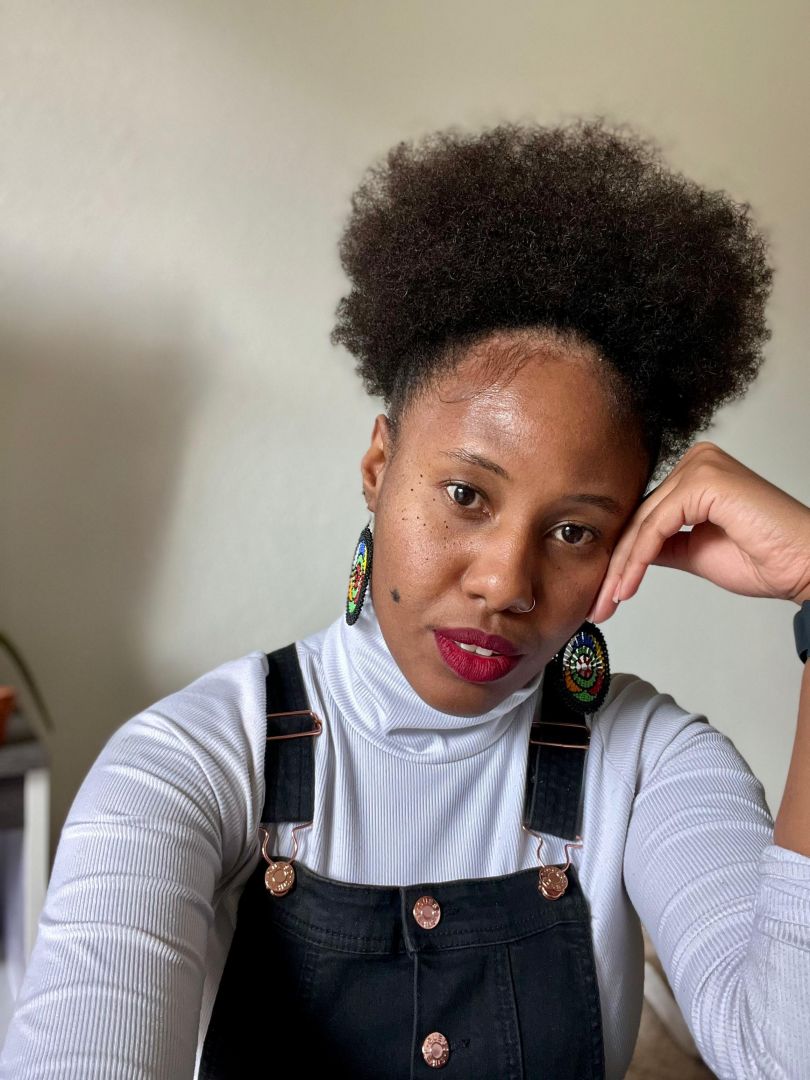 Estela Gonçalves de Souza, a CLS Graduate Certificate Student and History PhD student, has been awarded a 2026 Field Research Funding for her research “Negotiating Black Masculinities during Slavery and Emancipation in Juiz de Fora, Brazil (1880-1910).”
The CLACS Graduate Student Research Fellowships support master’s or dissertation research in Latin American and the Caribbean. These awards are funded by the CLACS Endowment and the Hunter-Muelder Endowment.
“This research historicizes Black masculinities during slavery and emancipation in Juiz de Fora, Minas Gerais, from 1880 to 1910. I analyze criminal records, newspapers, and court cases to evaluate the language Black men used to depict themselves and how others described them. I want to understand how the rhetorical jousting over status, racial identity, and masculinity played out in court proceedings and social relations. Despite slavery’s end, Afro-Brazilians continued to combat racial discrimination that sought to limit their social mobility and exploit their labor. I hypothesize that masculinity played a central role in establishing access to citizenship, belonging, and the right to exist in a society deeply marked by a racialized-gendered hierarchy, grounded in centuries of slavery.”